

Why Temecula Investors Are Doubling Down on Multi-Gen Living
Temecula’s residential properties are entering a new phase of investment potential. Instead of viewing large lots simply as outdoor space, investors are transforming them into dual-income properties through accessory dwelling units (ADUs). These backyard homes, often called casitas or granny flats, allow property owners to increase rental income without purchasing additional land.

Recent California housing legislation has made ADU development easier and more appealing. As a result, many Temecula investors are shifting from traditional single-family rentals to flexible multi-unit properties.
Below is a closer look at why ADUs in Temecula are becoming such a powerful investment strategy and what property owners need to consider before moving forward.
The Backyard Gold Rush
Large residential lots in Temecula are driving a surge in ADU construction. What was once considered extra yard space is now a valuable opportunity for additional rental income.
Why investors are building ADUs:
• Maximizing land value
Existing properties can generate more income without acquiring additional real estate.
• Two income streams from one property
A single-family home can become a dual-unit rental when an ADU is added.
• Lower investment barrier than buying another property
Building a small unit often costs less than purchasing a new rental home.
• Strong demand for smaller housing options
Students, young professionals, and retirees frequently seek affordable and compact living spaces.
• Growing popularity of multi-generational living
Many families use ADUs to house aging parents, adult children, or extended relatives.
State housing policies have also accelerated this trend. Recent legislation tied to California’s housing initiatives has reduced zoning restrictions and simplified approval processes for accessory units. In many areas, property owners can add detached or converted units with fewer barriers than in the past.
However, transforming a property from one rental unit into two changes how the property must be managed.
Navigating California ADU Rental Laws in 2026
ADUs provide strong investment potential, but they also come with specific legal considerations. California continues to refine housing regulations, and property owners must understand how these rules affect rental operations.
Key regulatory considerations include:
Separate vs. Shared Rental Arrangements
• ADUs may be rented independently from the primary home.
• Many owners choose to create two separate leases.
• Separate entrances and defined living spaces are usually required.
• Utility metering may need to be divided or clearly allocated.
Utility and Infrastructure Requirements
Depending on the property setup, owners may need to manage:
• Separate electricity or gas meters
• Shared water systems
• Trash service billing
• Parking allocations for each tenant
Proper planning ensures that tenants clearly understand their responsibilities.
Short-Term vs. Long-Term Rental Restrictions
Some municipalities place limits on short-term vacation rentals.
This means many ADUs function best as:
• Long-term residential rentals
• Housing for extended family members
• Workforce or student housing
Long-term leases also provide more predictable rental income.
The AB 1033 Opportunity
Another emerging factor is California Assembly Bill 1033, which allows cities and counties to adopt ordinances that permit accessory dwelling units to be sold separately from the primary residence. This could introduce a new exit strategy for investors in markets where the policy is adopted.
In some jurisdictions, the legislation opens the door for:
• Potential sale of ADUs as condominium units
• New exit strategies for investors
• Increased long-term property value
Although this option is still evolving, it may eventually allow investors to sell individual units rather than the entire property.
The Challenges of Managing Two Homes on One Lot
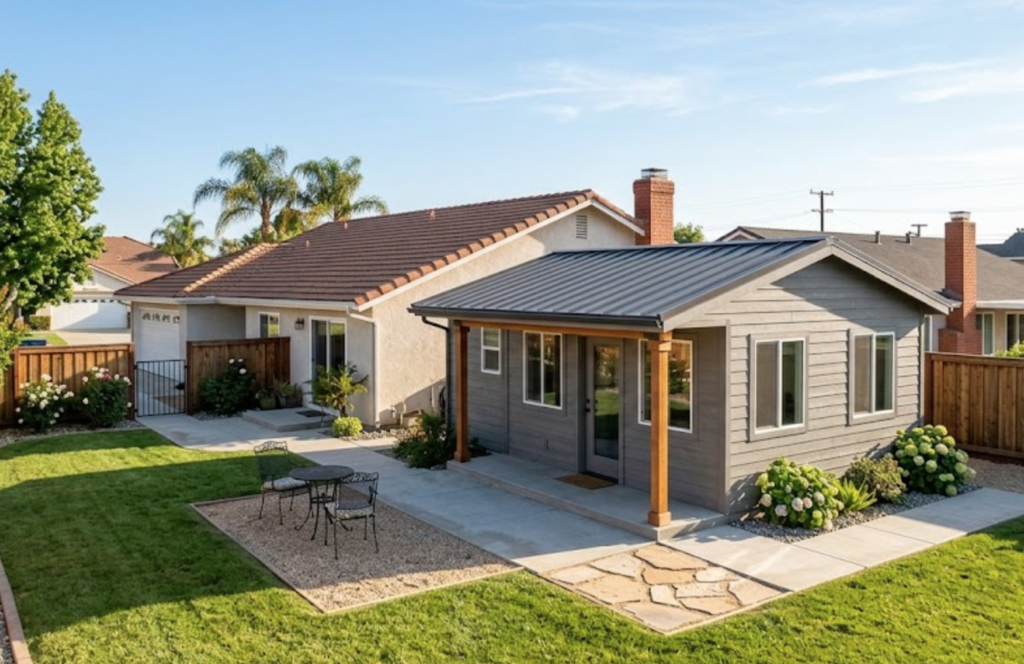
Operating an ADU property is not the same as managing a typical single-family rental. Two households living on one parcel create unique logistical challenges.
Common issues landlords face include:
Shared Spaces
When two tenants live on the same property, common areas must be clearly defined.
Typical shared space concerns include:
• Driveways and parking access
• Walkways and entrances
• Yard and landscaping responsibilities
• Trash placement and pickup
Without clear rules, small disagreements can quickly escalate.
Privacy Expectations
Tenants want to feel comfortable and independent, even when living near another household.
Property owners often improve privacy by adding:
• Separate entrances
• Privacy fencing
• Strategic landscaping
• Designated outdoor areas
These improvements help reduce tenant complaints.
Dual-Tenant Dynamics
Two rental agreements mean double the tenant communication and management tasks.
Landlords must handle:
• Separate leases
• Different move-in dates
• Individual maintenance requests
• Potential conflicts between tenants
Many landlords find themselves caught in the middle of disputes if boundaries are not established early.
Utility and Billing Complexity
Tracking property expenses becomes more complicated with two units.
Owners must monitor:
• Water usage
• Electricity consumption
• Gas utilities
• Waste services
Proper billing systems help maintain accurate profit calculations and fair cost allocation.
Why Professional Property Management Is Essential
Scaling a property from one unit to two sounds simple in theory. In reality, it often doubles operational complexity.
Professional property management provides structure and support for ADU investments.
Benefits of professional management include:
Maintenance Coordination
Two units mean twice the potential maintenance issues.
Property managers help by:
• Scheduling repairs
• Coordinating service providers
• Responding quickly to tenant concerns
When plumbing or electrical problems occur in both units, experienced management prevents delays.
Regulatory Compliance
California housing laws change frequently.
Professional managers stay current on:
• Habitability standards
• Fire safety codes
• Rental compliance requirements
• Documentation and lease requirements
Staying compliant protects property owners from legal risk.
Tenant Screening
Tenant compatibility is particularly important when two households share the same property.
A strong screening process evaluates:
• rental history
• creditworthiness
• communication style
• ability to respect shared spaces
Selecting responsible tenants helps maintain a peaceful environment for both units.
Communication Buffer
Property managers act as a neutral third party between tenants.
This helps prevent the common problem known as “landlord in the middle,” where owners are forced to mediate disputes.
Professional property management oversight keeps communication structured and solutions-focused.
The Future of ADU Investing in Temecula
ADUs are rapidly becoming one of the most attractive real estate strategies in Southern California. As housing demand continues to rise, smaller living spaces provide an affordable alternative for renters while generating strong returns for property owners.
For Temecula investors, the advantages are clear.
ADU properties can offer:
• Increased rental income
• Higher property valuations
• Flexible living arrangements
• Long-term investment stability
With Scout Property Management, a property that once supported a single tenant can now support two households and produce significantly stronger returns.
If you are considering building an ADU or converting part of your property into a second rental unit, having the right management strategy in place is essential. Managing two households on one lot requires careful tenant screening, clear lease structures, and reliable maintenance coordination.
Contact Scout Property Management to learn how professional management can help you maximize rental income, maintain compliance with California regulations, and keep both units running smoothly.